Maha Kumbh Mela
Origins and Scriptural Basis
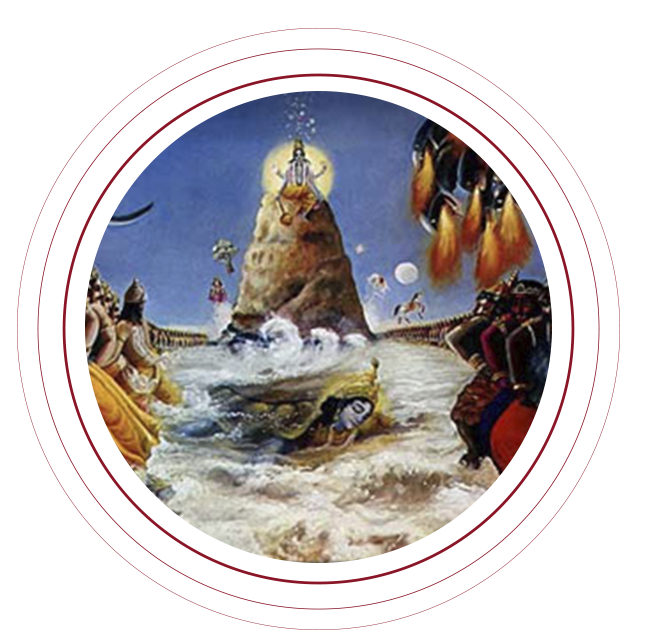
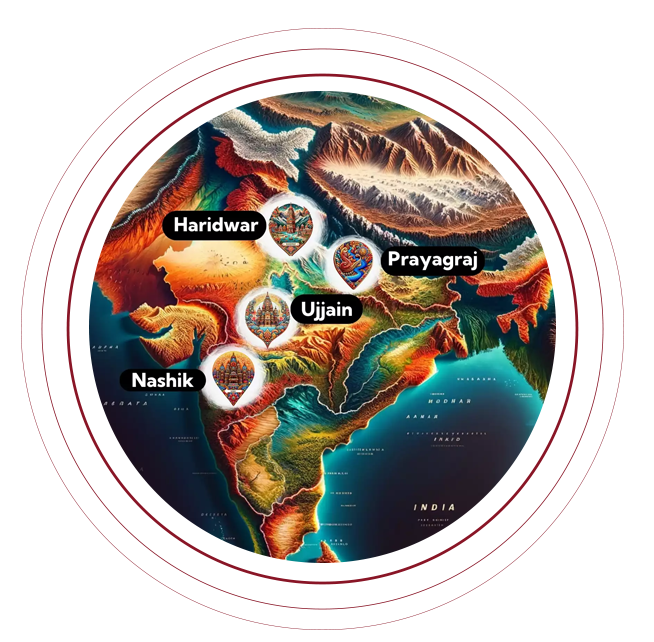
The festival's origins are deeply rooted in Vedic scriptures, particularly linked to the tale of the churning of the ocean, or Samudra Manthan, as described in the Bhagavata Purana, Vishnu Purana, and Mahabharata. According to scriptures, the demigods (Devas) and demons (Asuras) came together to churn the ocean in search of the nectar of immortality (amrita). When the nectar emerged, a battle ensued over its possession. During the struggle, a few drops of nectar fell on four places on earth-Prayagraj (Allahabad), Haridwar, Ujjain, and Nashik. These sites have since been venerated as sacred, and the Kumbh Mela is held at each location in a rotating cycle.
The Timing and Locations of Kumbh Mela
The festival occurs every twelve years at each of these four locations, based on the astrological alignment of the Sun, Moon, and Jupiter, which determines the auspicious timings for bathing. The schedule of the Kumbh Mela events includes:
- Prayagraj (Allahabad) - Held at the confluence of the Ganga, Yamuna, and the Sarasvati rivers.
- Haridwar - Held along the Ganges River.
- Ujjain - Held on the banks of the Kshipra River.
- Nashik - Held on the Godavari River.
The Kumbh Mela is held at Prayagraj, once in every twelve years where millions of pilgrims congregate at the Sangam - the holy confluence of the Ganga, Yamuna and the Saraswati rivers. The other three places host the mela on a rotating basis every third year.
In addition to the main twelve-year cycle, there are other variations: the Ardha Kumbh Mela, held every six years in Prayagraj and Haridwar, and the Maha Kumbh Mela, held every 144 years in Prayagraj.
Spiritual and Cultural Significance
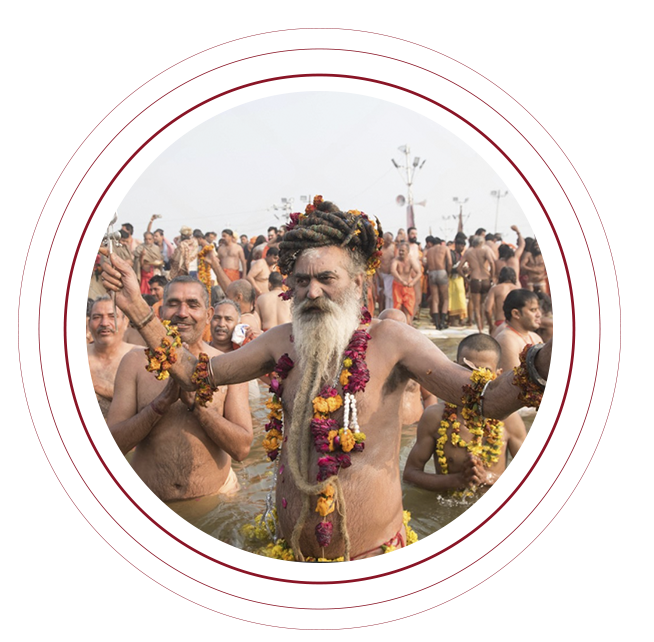
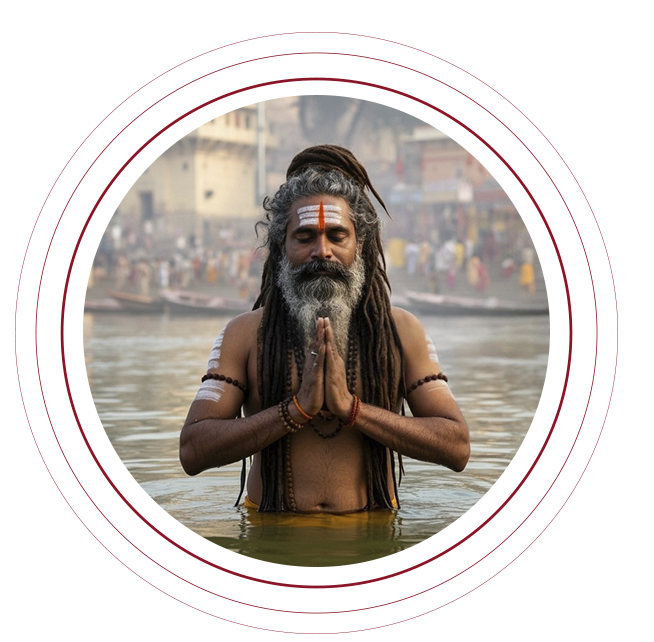
The Kumbh Mela is considered a unique opportunity for devotees to purify themselves by bathing in the sacred rivers, an act believed to absolve sins and aid in the journey towards moksha, or liberation from the cycle of birth and death. It is also a place for spiritual reflection, religious discourses, and charitable activities, where sadhus, saints, and pilgrims engage in various rites and rituals. The presence of akharas (monastic groups) from different sects of Vedic culture-such as Shaivites, Vaishnavites, and the Naga sadhus-adds a distinct cultural dimension to the event, as they offer teachings and participate in rituals.
Kumbh Mela in Modern Times
Kumbh Mela has been recognized globally for its cultural and spiritual magnitude. In 2017, UNESCO inscribed the festival on the Representative List of the Intangible Cultural Heritage of Humanity. The festival is not only a display of religious fervor but also a logistical feat, as it brings together one of the largest human congregations on Earth, often requiring extensive arrangements for sanitation, healthcare, safety, and accommodation.
In essence, Kumbh Mela stands as a testament to the enduring tradition of Hindu pilgrimage, embodying a timeless quest for spiritual upliftment, community, and divine connection through ritual bathing and collective prayer.