
Hare Krishna!
In 2026, the Vaishnava fast for Dev Uthani Ekadashi is on Saturday, Nov 21, a Trisprisha Mahadvadashi. Tulsi Vivah falls on Friday, Nov 20. Parana, the breaking of the fast, takes place after sunrise on Sunday, Nov 22.
Known also as Prabodhini or Utthana Ekadashi, Dev Uthani Ekadashi falls on the eleventh day of Kartik’s waxing fortnight. It closes the four months of Cāturmāsya, and it falls in the last week of Kartik, the month of Lord Dāmodara. Because many calendars give a different date this year, this article explains carefully why the Vaishnava fast falls on Nov 21.
This article covers the 2026 dates, the meaning of the day’s names, what a Trisprisha Mahadvadashi is, what Śrīla Prabhupāda teaches about Cāturmāsya and Ekadashi fasting, when to break the fast, Tulsi Vivah, and Bhishma Panchak.
Dev Uthani Ekadashi 2026 Date: Why Vaishnavas Fast on Nov 21
- Tulsi Vivah: Friday, Nov 20
- Ekadashi tithi begins: Friday, Nov 20, at 7:16 AM
- Ekadashi tithi ends: Saturday, Nov 21, at 6:32 AM
- Dvadashi tithi begins: Saturday, Nov 21, at 6:32 AM
- Dvadashi tithi ends: Sunday, Nov 22, at 4:57 AM
- Vaishnava fast (Trisprisha Mahadvadashi): Saturday, Nov 21
- Parana (breaking the fast): Sunday, Nov 22, once the sun has risen
On the morning of Nov 20, the tithi present at sunrise is still Dashami; Ekadashi begins only after sunrise. On Nov 21, Ekadashi ends at 6:32 AM, before sunrise, and Dvadashi runs through the day until 4:57 AM on Nov 22, when Trayodashi begins, before sunrise. A day with this pattern is called a Trisprisha Mahadvadashi, explained below. The Vaishnava calendar therefore keeps the Ekadashi fast on Saturday, Nov 21.
Times are in IST.
Why Many Calendars Show Nov 20
Most general (smārta) calendars list Dev Uthani Ekadashi on Friday, Nov 20, because the Ekadashi tithi is present for most of that day. The Vaishnava calendar follows a different rule for Ekadashi and observes the fast on Nov 21. If you follow your temple’s Vaishnava calendar, fast on the 21st.
What Is Dev Uthani, Prabodhini or Utthana Ekadashi?
The same Ekadashi is known by several names:
- Utthana Ekadashi: Śrīla Prabhupāda uses this name, writing that the Cāturmāsya period “ends in the month of Kārtika (October-November) on the Ekādaśī day known as Utthānā-ekādaśī” (CC Madhya 4.169, purport). Utthāna means rising.
- Prabodhini Ekadashi: Prabodhinī means “awakening”.
- Dev Uthani Ekadashi: the popular name in North India.
- Kartik Ekadashi: after the month in which it falls.
The names point to the close of Cāturmāsya, which began four months earlier on Shayana Ekadashi. They describe a turning point in the devotional year. They do not mean that the Supreme Lord was ever asleep in the way an ordinary person sleeps.
What Is a Trisprisha Mahadvadashi?
Tri means “three”, and sparśa means “touch”. A Trisprisha day is one on which three lunar days touch a single day. Drik Panchang quotes the Nārada Purāṇa’s definition: “when Ekadashi ends before sunrise during Arunodaya Kala, Dwadashi prevails throughout the day, and Trayodashi begins in the last part of the night, that day is known as Trisparsha Dwadashi” (Drik Panchang, Trisparsha Mahadwadashi).
That is exactly the pattern on Saturday, Nov 21. Ekadashi ends at 6:32 AM, before sunrise; Dvadashi runs from 6:32 AM through the day; and Trayodashi begins at 4:57 AM on Nov 22, before the next sunrise. Whenever this happens, devotees observe their Ekadashi fast on the Mahadvadashi instead.
Shayana to Utthana: The Four Months of Chaturmasya
With Dev Uthani Ekadashi, Cāturmāsya, the four-month period of vows, comes to an end. Śrīla Prabhupāda explains:
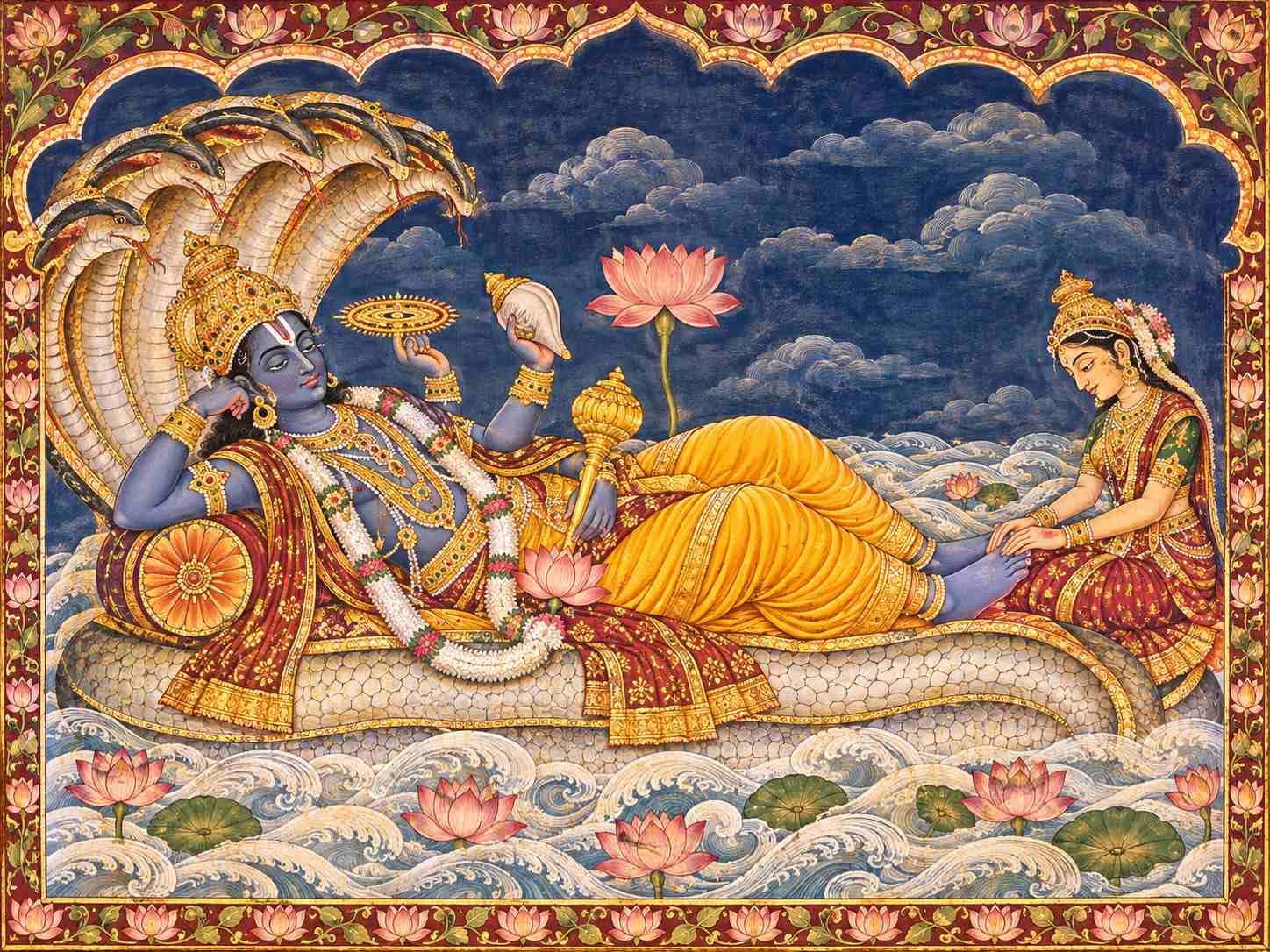
“The Cāturmāsya period begins in the month of Āṣāḍha (June-July) from the day of Ekādaśī called Śayanā-ekādaśī, in the fortnight of the waxing moon. The period ends in the month of Kārtika (October-November) on the Ekādaśī day known as Utthānā-ekādaśī, in the fortnight of the waxing moon. This four-month period is known as Cāturmāsya. Some Vaiṣṇavas also observe it from the full-moon day of Āṣāḍha until the full-moon day of Kārtika. That is also a period of four months. This period, calculated by the lunar months, is called Cāturmāsya, but others also observe Cāturmāsya according to the solar month from Śrāvaṇa to Kārtika.” (CC Madhya 4.169, purport)
He also explains its purpose: “The real purpose behind the vow taken during these four months is to minimize the quantity of sense gratification” (CC Madhya 4.169, purport).
The Purāṇic tradition describes Cāturmāsya as the period of the Lord’s yoga-nidrā, His transcendental rest, which begins on Shayana Ekadashi and ends on Utthana Ekadashi. This is not ordinary sleep. It is a pastime of the Lord.
Dev Uthani Ekadashi Fasting Rules
Before You Begin: The Fast at a Glance
- Fast on: Saturday, Nov 21, from sunrise
- Parana: Sunday, Nov 22, any time after sunrise
- Avoid: all grains, dahl and beans
- Who can keep it: anyone in good health; children, the elderly and anyone with a medical condition should keep a lighter fast
The basic rule of Ekadashi comes from Śrī Caitanya Mahāprabhu Himself. As a boy, He asked His mother one thing: “My dear mother, please do not eat grains on the Ekādaśī day” (CC Ādi 15.9).
What to Avoid: Grains and Beans
In his purport to that verse, Śrīla Prabhupāda explains how strict this rule is:
“On Ekādaśī, everything is cooked for Viṣṇu, including regular grains and dahl, but it is enjoined that a Vaiṣṇava should not even take viṣṇu-prasāda on Ekādaśī. It is said that a Vaiṣṇava does not accept anything eatable that is not offered to Lord Viṣṇu, but on Ekādaśī a Vaiṣṇava should not touch even mahā-prasāda offered to Viṣṇu, although such prasāda may be kept for being eaten the next day. It is strictly forbidden for one to accept any kind of grain on Ekādaśī, even if it is offered to Lord Viṣṇu” (CC Ādi 15.9, purport).
In practice, devotees set aside on Ekadashi:
- rice, wheat and all other grains, and anything made from them;
- dahl, beans and other pulses.
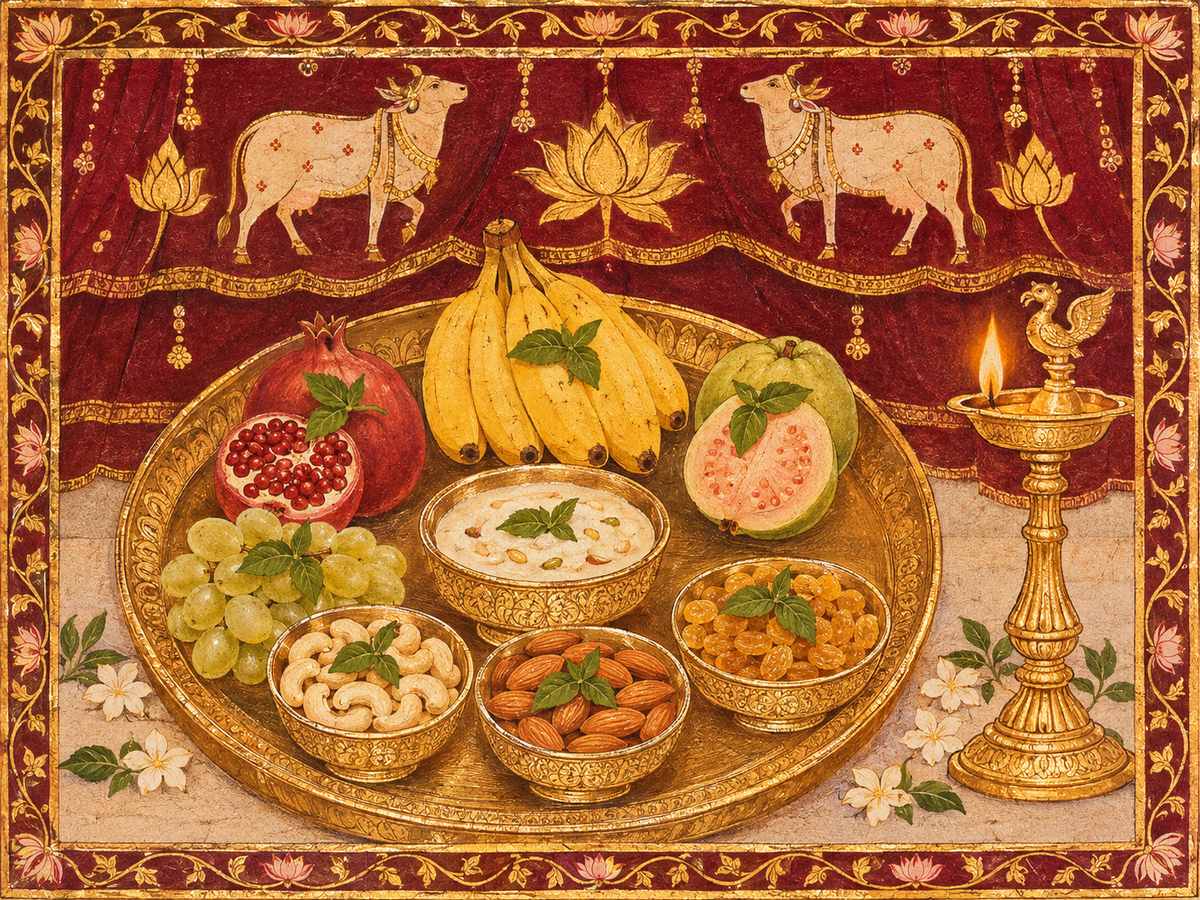
Fruits, vegetables, milk preparations and nuts are commonly taken by those who are not keeping a complete fast. As on every day, the food is offered to Kṛṣṇa with a Tulasī leaf before it is eaten.
Fasting on Both Days
This year the Ekadashi tithi falls on Nov 20 and the Mahadvadashi on Nov 21.
- Fasting on both days, Nov 20 and Nov 21, is best for those who are able.
- Otherwise, fast on Dvadashi, Nov 21. This is the essential fast.
- When both days are kept, the Dvadashi fast should be stricter than the Ekadashi fast. For example, a grain-free fast on Nov 20 is followed by a waterless (nirjala) or complete fast on Nov 21.
- At the very least, follow the Ekadashi rule on Nov 21: no grains or beans.
Using the Day Well
Ekadashi is not only a day without grains. It is a day for more chanting, hearing and remembering Kṛṣṇa. Devotees use the time they would spend cooking and eating to chant extra rounds of the Hare Kṛṣṇa mahā-mantra and to read Śrīla Prabhupāda’s books.
When to Break the Fast
Break the fast after sunrise on Sunday, Nov 22. Begin by honouring a little prasādam, a simple preparation offered to Kṛṣṇa, and then return to your regular meals.
Tulsi Vivah 2026: Nov 20, a Day Before the Fast
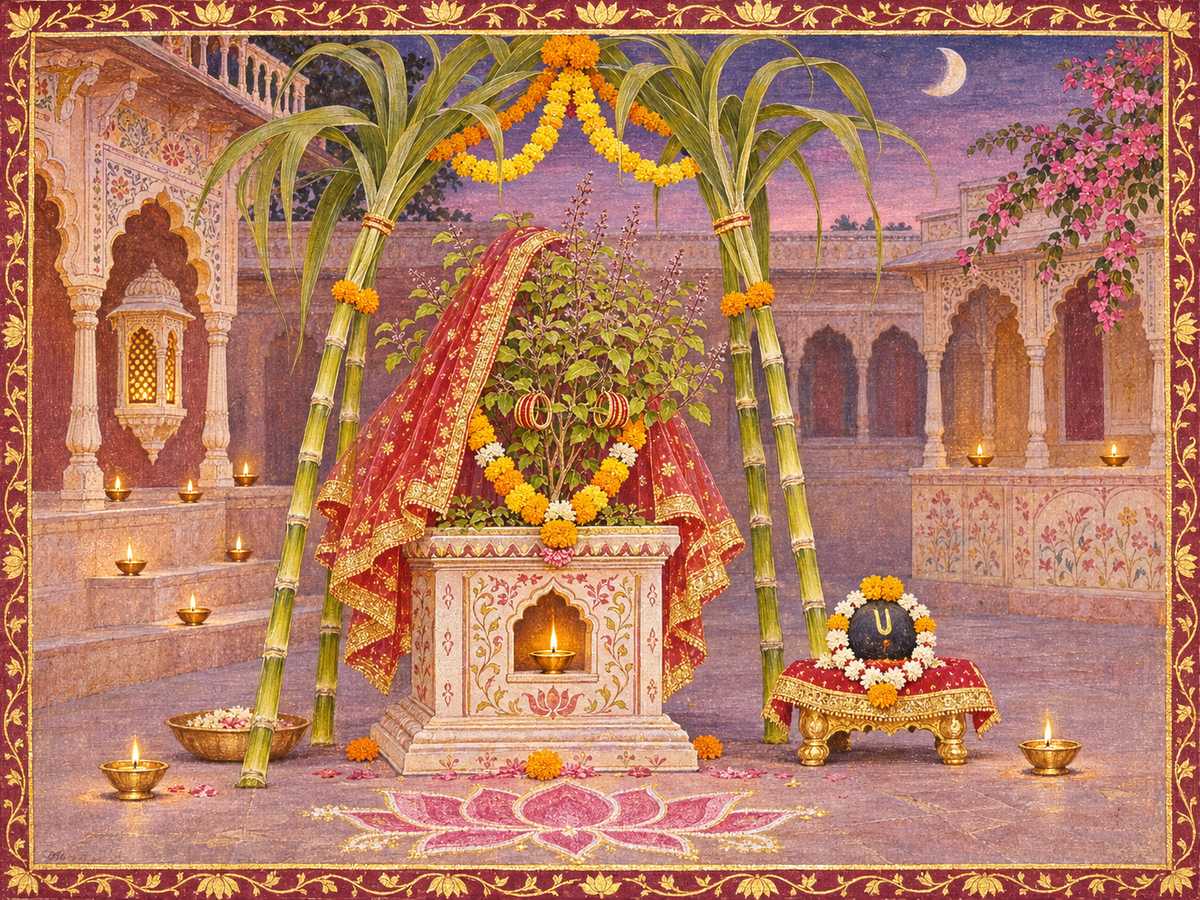
Tulsi Vivah, the ceremonial marriage of Tulasī Devī to the Lord in His Śālagrāma form, falls on Friday, Nov 20, a day before the Vaishnava Ekadashi fast.
Who Is Tulasi?
For devotees, Tulasī is first of all Kṛṣṇa’s dear devotee. The Śrīmad-Bhāgavatam, in Nārada Muni’s instructions to Dhruva Mahārāja, describes worshipping the Lord “by offering tulasī leaves, which are very dear to the Supreme Personality of Godhead” (SB 4.8.55). That is why, in Vaiṣṇava practice, no food is offered to Kṛṣṇa without a Tulasī leaf.
The Stories Behind Tulsi Vivah
The stories of Tulasī’s marriage come from the Purāṇas, and different Purāṇas tell them differently:
- The Vṛndā story is told in the Padma, Skanda and Śiva Purāṇas. Vṛndā, a chaste and devoted wife, was married to the powerful Jalandhara. In these accounts, her devotion is connected with Tulasī’s appearance and with her union with the Lord in His Śālagrāma form.
- The Śaṅkhacūḍa story is told in the Brahma-vaivarta Purāṇa and the Devī-bhāgavata. Here Tulasī is the wife of Śaṅkhacūḍa, and her devotion likewise leads to her eternal place with the Lord.
In many homes, families observe Tulsi Vivah by decorating the Tulasī plant as a bride, placing a Śālagrāma or a picture of Kṛṣṇa beside her, and performing the ceremony with kīrtana and an offering of prasādam.
Bhishma Panchak: The Last Days of Kartik
Bhishma Panchak is the final five days of Kartik, kept with extra devotion. In 2026, it is five days, from Friday, Nov 20 to Tuesday, Nov 24, from the Ekadashi tithi day to Kartik Purnima.
The Vaishnava Ekadashi fast itself falls within these days, on Nov 21. The five days close with Kartik Purnima. Read more in our guide, Kartik Purnima 2026: Date, Significance and Rituals.
Observe Dev Uthani Ekadashi with Deepdaan Seva at VCM
Dev Uthani Ekadashi falls in the last week of Kartik, during Vrindavan Chandrodaya Mandir’s Kartik vrata. Devotees who cannot be in Vṛndāvana may offer a lamp to the Lord through the temple:
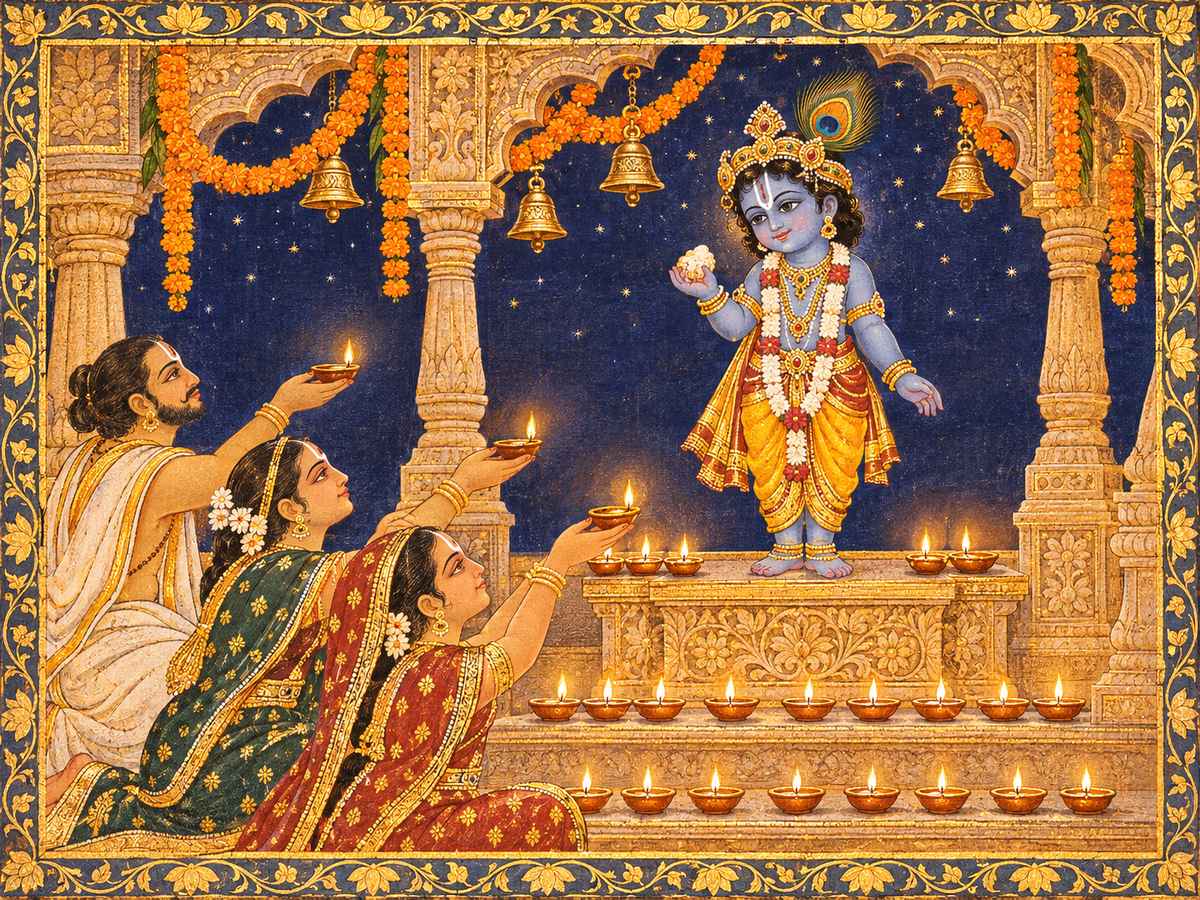
- Deepdaan Seva: a lamp offered to the Lord in Vṛndāvana this Kartik. Offer Deepdaan Seva
- Pushpa Shringar & Sankalpa Seva: offer fresh flowers to adorn Sri Radha Vrindavan Chandra, with a sankalpa performed in your name. Offer Pushpa Shringar & Sankalpa Seva
Read more about the month in our guide, Kartik Maas 2026: Start Date, End Date and Significance.
Dev Uthani Ekadashi 2026: FAQs
1. Is Dev Uthani Ekadashi on Nov 20 or Nov 21?
General calendars list it on Nov 20, when the Ekadashi tithi is present for most of the day. The Vaishnava fast is on Saturday, Nov 21, a Trisprisha Mahadvadashi: Ekadashi ends at 6:32 AM, before sunrise that day; Dvadashi lasts through the day; and Trayodashi begins at 4:57 AM on Nov 22, before the next sunrise. Follow your temple’s Vaishnava calendar.
2. Can I drink water during the fast?
On Nov 21, the Mahadvadashi, the essential rule is no grains or beans (CC Ādi 15.9). Those who also fast on Nov 20 keep Nov 21 more strictly, for example without water. Many devotees take water, fruit and milk; children, the elderly and anyone with a medical condition should keep a lighter fast.
3. Is Tulsi Vivah on Ekadashi or Dvadashi?
In 2026, Tulsi Vivah falls on Friday, Nov 20, the day the Ekadashi tithi is present, one day before the Vaishnava fast on the Mahadvadashi.
4. What is Prabodhini Ekadashi parana?
Pāraṇa means breaking the fast. In 2026, the fast kept on Nov 21 is broken after sunrise on Sunday, Nov 22.
5. What does “Dev Uthani” mean?
It is the popular name for Utthana Ekadashi, the Ekadashi that closes Cāturmāsya. Utthāna means rising. Śrīla Prabhupāda calls the day “Utthānā-ekādaśī” (CC Madhya 4.169, purport).
6. Can I eat rice the day after Ekadashi?
Yes. Śrīla Prabhupāda notes that prasāda cooked on Ekadashi “may be kept for being eaten the next day” (CC Ādi 15.9, purport). After breaking the fast on Nov 22, grains may be taken as usual.
7. What is Bhishma Panchak?
The final five days of Kartik. In 2026, it runs from Nov 20 to Nov 24, from the Ekadashi tithi day to Kartik Purnima.
8. Why is Tulasi so important on this day?
Tulasī is Kṛṣṇa’s dear devotee, and her leaves are “very dear to the Supreme Personality of Godhead” (SB 4.8.55). Tulsi Vivah falls the day before the fast, and a Tulasī leaf is placed on every offering to Kṛṣṇa, in Kartik and all through the year.